Many of our champions have had a cancer diagnosis or have family members or friends living with cancer.
We cover a large geographical area, and there’s lots to do, so we ask volunteers to choose where and when they would like to volunteer and in the way which suits them best.
For some volunteers they like to visit events and galas and run an information stand, talking to passers by about the key messages contained in the word SMART.
Others choose to raise awareness in their workplace or at a community group where they volunteer.
Champions come together every six – eight weeks on a zoom meeting where we discuss how to reach people who might not usually hear about cancer signs and symptoms. We also organise health and wellbeing roadshows to take healthy messages out to diverse communities.
Meet some of our Champions
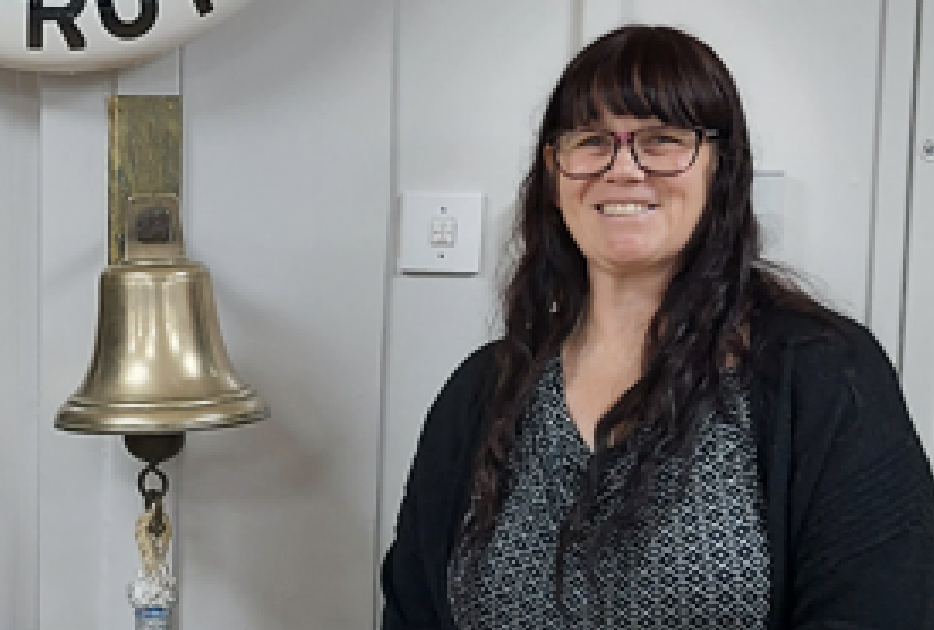
Sue
Sue combines her volunteering with her demanding role as a breast cancer research nurse at St James’s Hospital, Leeds. She helps out on Cancer SMART stalls as her schedule allows. Sue is also a member of our board of trustees and brings a wealth of knowledge, particularly around research opportunities, governance and fundraising.
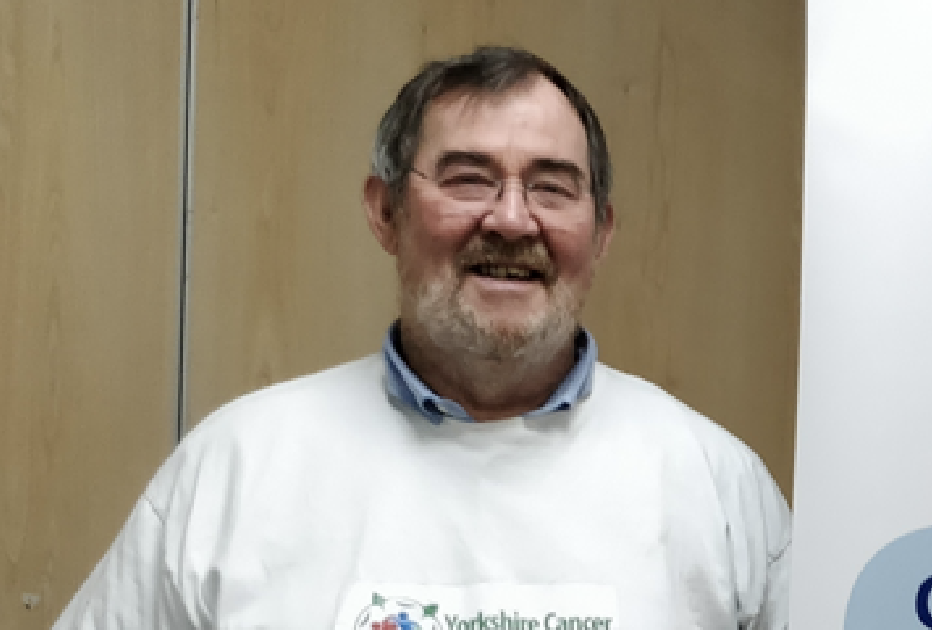
Ric
Ric is a trustee and was the very first volunteer to be recruited as a Cancer SMART Champion.
Ric, a retired welding engineer from Leeds, was diagnosed with lung cancer in 2016, and feels fortunate that his cancer was detected early.
Despite his ongoing health problems, Ric attends events and give talks as often as he can, talking about the benefits of early detection, and the value of knowing your own body, so you are aware if something feels different.
“I’ve met lots of new friends and it’s enabled me to have new experiences,” he explained. “It also allows me to achieve my aims to spread the word about early diagnosis.”
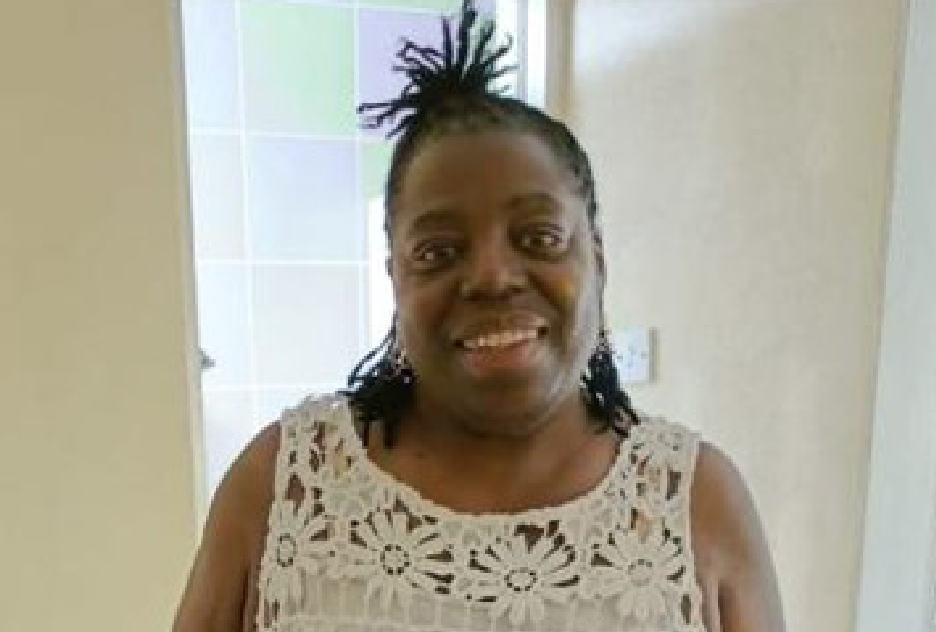
Bev
Bev, based in Leeds, volunteers as a Cancer SMART Champion as she would like to spread cancer awareness to all, especially communities like hers where cancer plays a huge part. She would like to encourage more people to take up their offer of screening as we know the sooner the diagnosis the more chance of a successful outcome. Bev is also on our board of trustees.
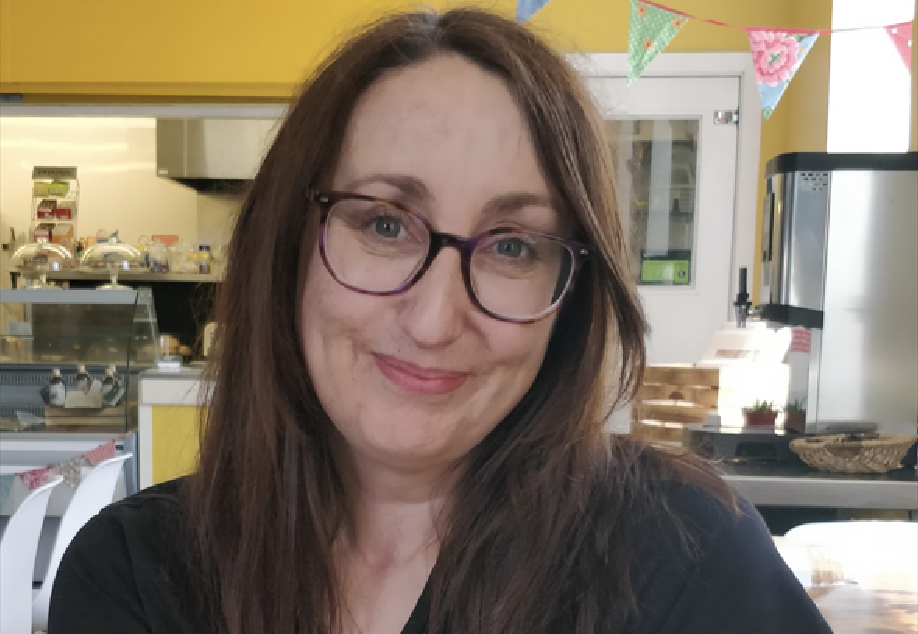
Catherine
Catherine who lives in South Kirklees, was diagnosed with thyroid cancer. She works in employee healthcare for Kirklees Council and ensures that colleagues hear the Cancer SMART message.
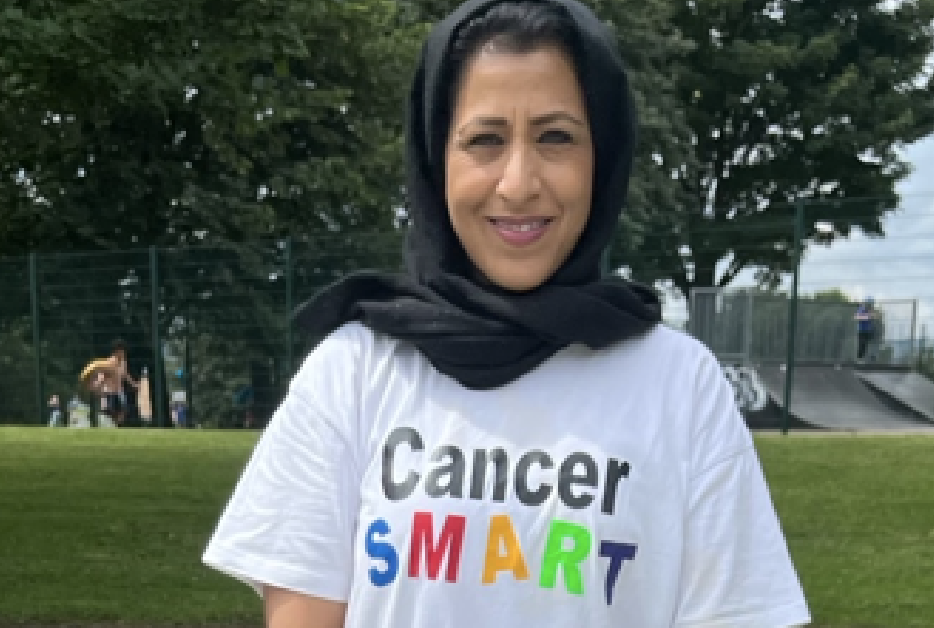
Mariam
Mariam was diagnosed with breast cancer and works for Kirklees Wellness Service as a Health Coach. Mariam has run several Cancer SMART information stands and also talks about the benefits of staying healthy.
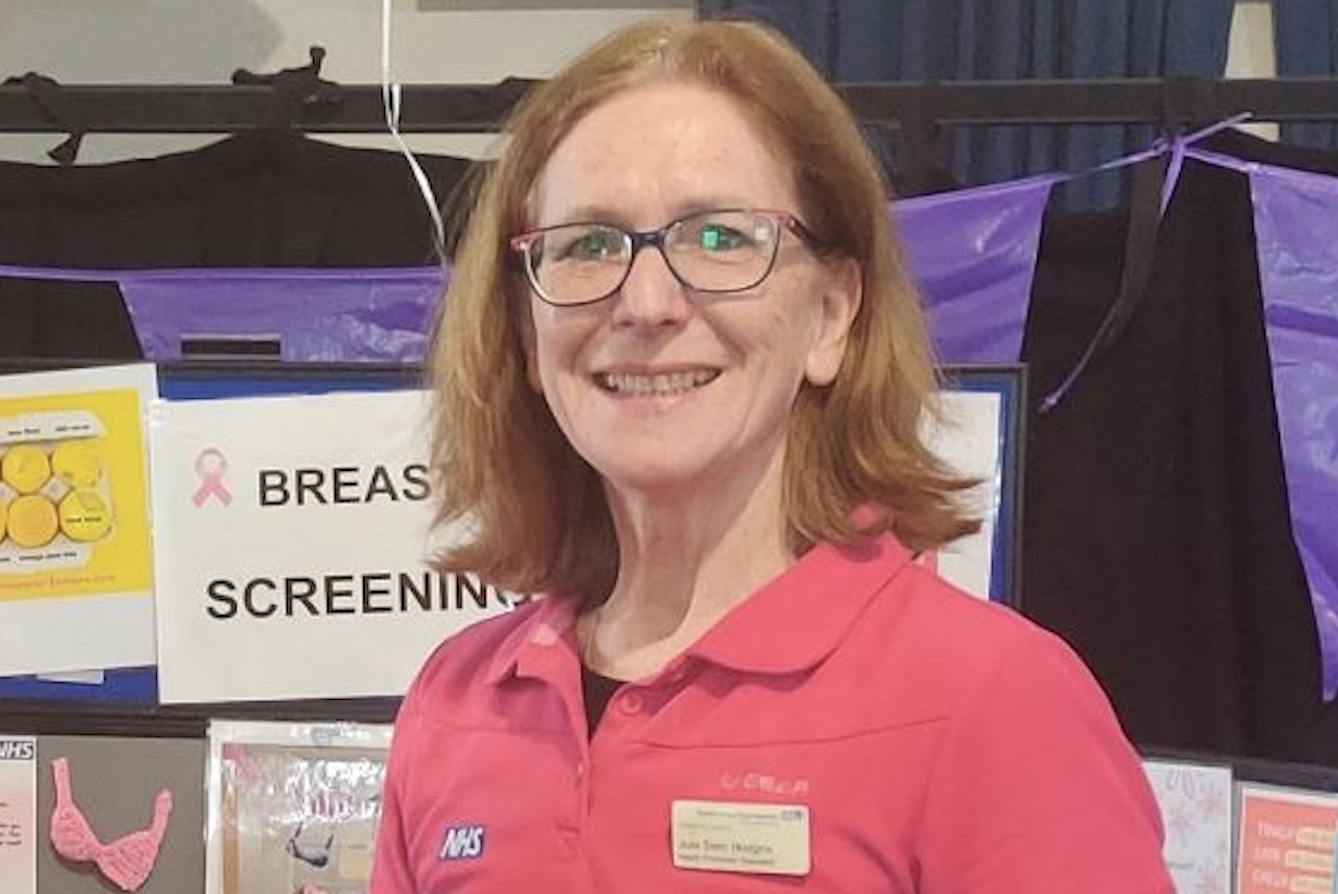
Julie
Julie from Calderdale, works for Pennine Breast Screening Services, so often wears two hats when she attends events, promoting both her own service and Cancer SMART. She is passionate about ensuring that everyone regularly checks their breast and chests and are aware of what is normal for them.
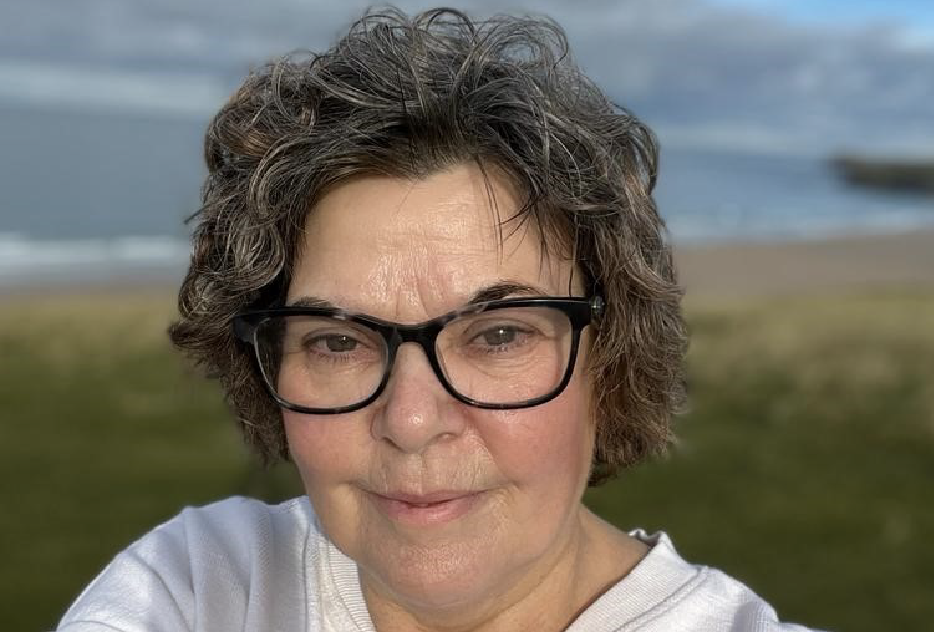
Carol
Carol from Bradford, lost her daughter to cervical cancer and works with people who have learning disabilities. Carol promotes Cancer SMART to parents and children with learning disabilities and also raises awareness of HPV (human papillomavirus) which can cause cancers including cervical cancer.
The HPV vaccine which protects against HPV, is offered to all children aged 11- 13 in the UK, and it’s offered to some people in older age groups too. People who missed their HPV vaccination can get the vaccine for free up to their 25th birthday.
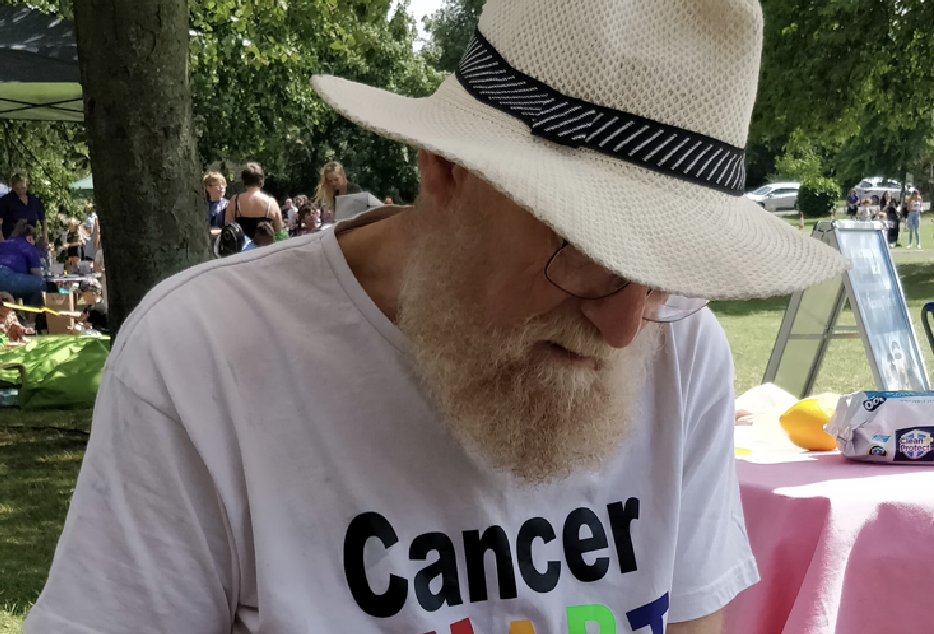
Bob
Bob from Pontefract, is a Community Artist, who was diagnosed with oesophageal cancer and helps to run a weekly support group in Wakefield. Bob has helped at various stalls in the Pontefract and Castleford area and regularly attends our online support group leaders network meetings.
Stephen
Stephen Halstead is a prostate cancer advocate, trustee and treasurer of Yorkshire Cancer Community. Following his own diagnosis, he became committed to ensuring that the voices and experiences of people affected by cancer help shape services, support and decision-making.
Drawing on his lived experience, Stephen works with healthcare organisations, charities and community groups across West Yorkshire to champion lived experience leadership and co-production. He is passionate about ensuring that people affected by cancer are not simply consulted, but are active partners in shaping services, improving access and reducing inequalities. Through his advocacy, he promotes the value of lived experience in influencing policy, service design and decision-making, helping to create cancer services that better meet the needs of patients, families and communities.
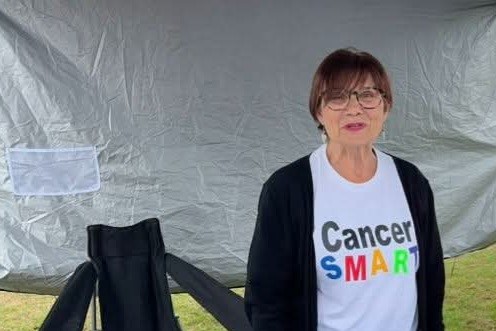
Kathy
Kathy first became involved to support a ‘special’ friend, who was going through their own cancer journey. Since then, her young grandson (early 30s) has also been diagnosed with testicular cancer. Thankfully, this was caught very early and he has since been given the ‘all clear’ with regular follow ups.
During her time as a Cancer SMART Champion, Kathy says she has gained a much better understanding around cancer and the importance of early detection. From this, she regularly attends workshops to promote early detection. She has shared the importance of this with her immediate family and has also had tests herself to lead by example.
Kathy says “if I could offer any advice it would be to check, check, check and raise any concerns as soon as possible (without any delay)”.
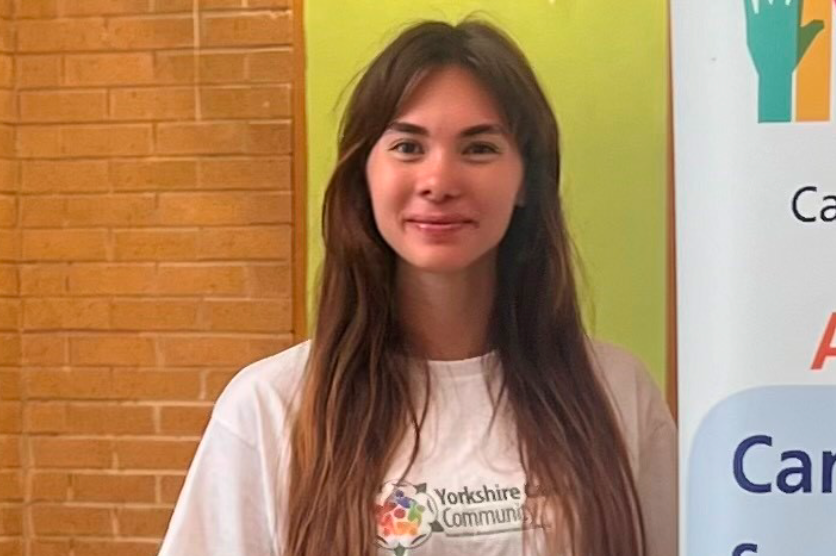
Lauren
Lauren, “After successfully finishing my AP Mammography training and completing a range of clinical placements across the breast cancer pathway, such as chemotherapy, CT planning and radiotherapy, I returned to my hometown in Yorkshire, and made the important decision to become a Cancer SMART Champion in order to broaden my skill set in cancer awareness and advocacy.
It is really important to me to feel that I am helping to address cancer health inequalities in local communities and improving access to a range of holistic cancer support.”
Lauren is now employed by YCC, first as our Patient VIEW Coordinator and more recently as our Cancer SMART Coordinator.
Gordon
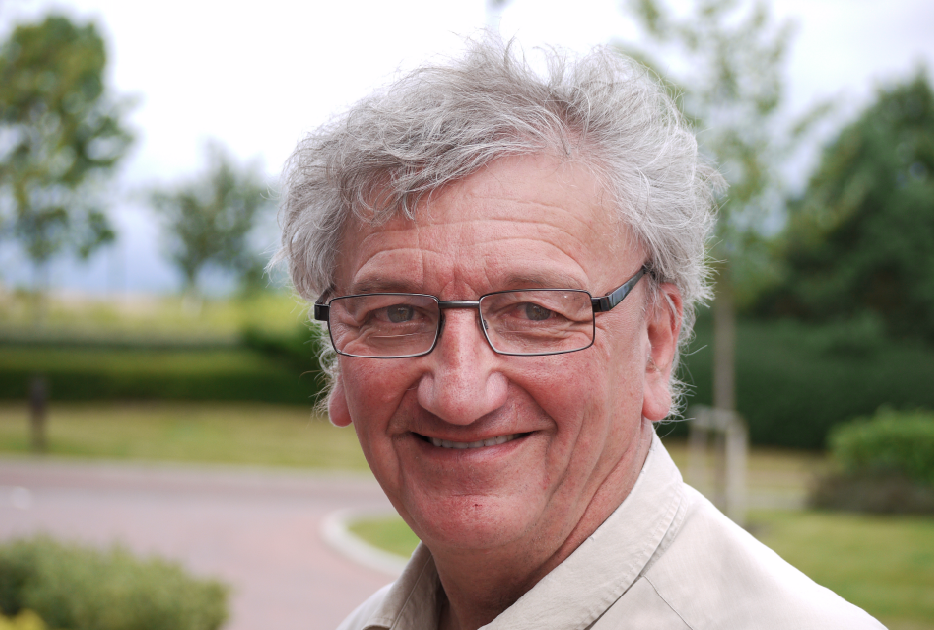
Gordon retired from fulltime work 13 years ago when he was 65 years old. Four years later he moved to a new medical centre where it was normal practice to have a health MOT. The practice nurse invited him to have a PSA test to check him out for prostate cancer – despite there being no symptoms of this being a problem. The results came back positive, and ultimately this led to surgical removal of the prostate gland.
Several years later he’s grateful to be cancer-free, and glad to have the opportunity to urge other people to take cancer screening opportunities, and not delay in seeking medical help with health problems that could be signs of cancer.
Barbara
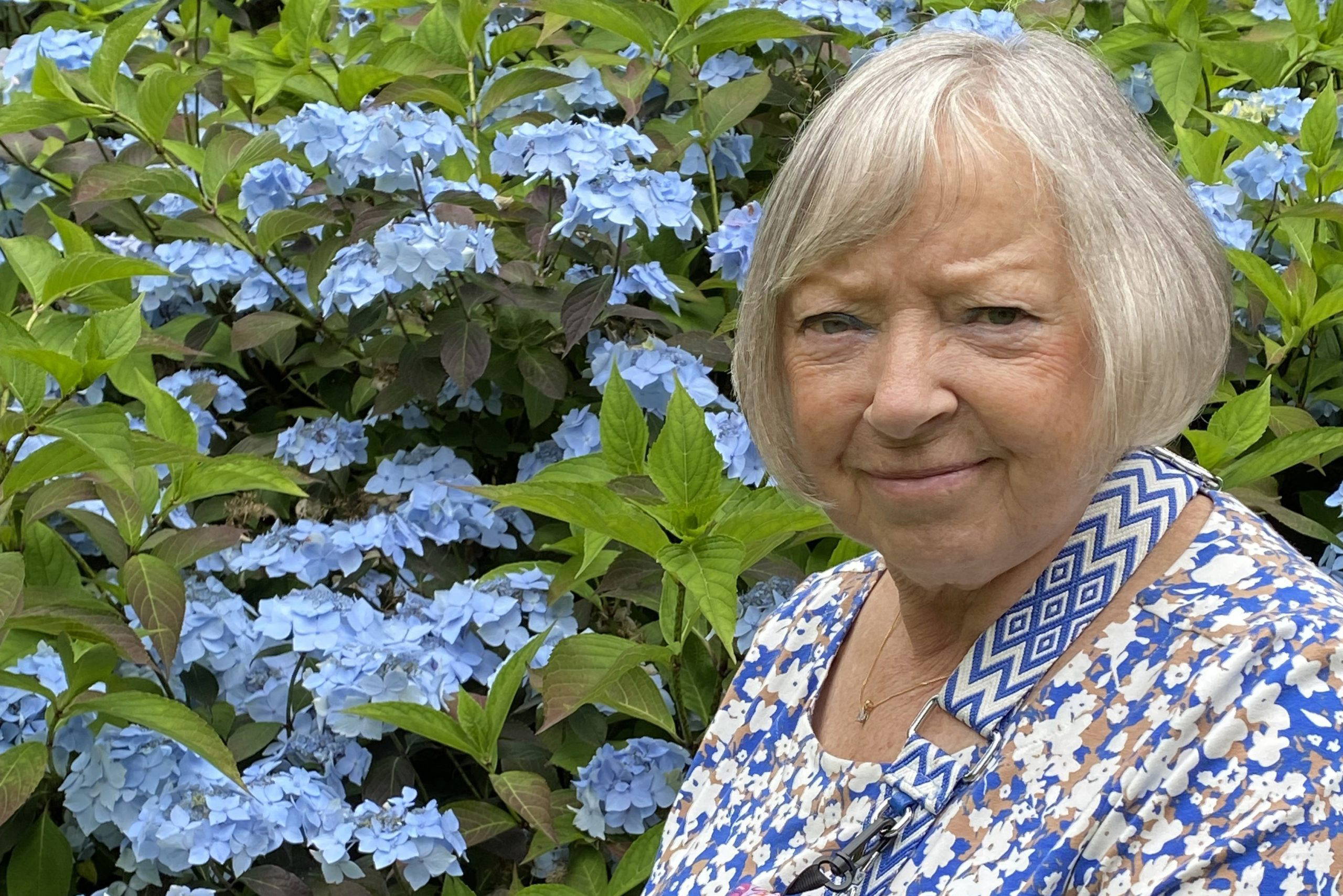
Barbara was diagnosed with cancer around Christmas 2020. Major surgery and chemotherapy followed. The biopsy revealed Stage 1A Clear Cell Ovarian Cancer.
Because of the wonderful treatment by the NHS, the Oncology Team, Macmillan, Maggies (Leeds) and the Rosewood Centre (Dewsbury), she wanted to do something to help other people. She volunteered to become a Cancer SMART Champion to make people aware of the need for early detection and to take advantage of the screening offered by the NHS. Also to raise awareness of the various cancer charities and groups who can offer information and support. These can be invaluable to help cope with a cancer diagnosis and journey.
Barbara says “I just wanted to make a difference!”
Sally
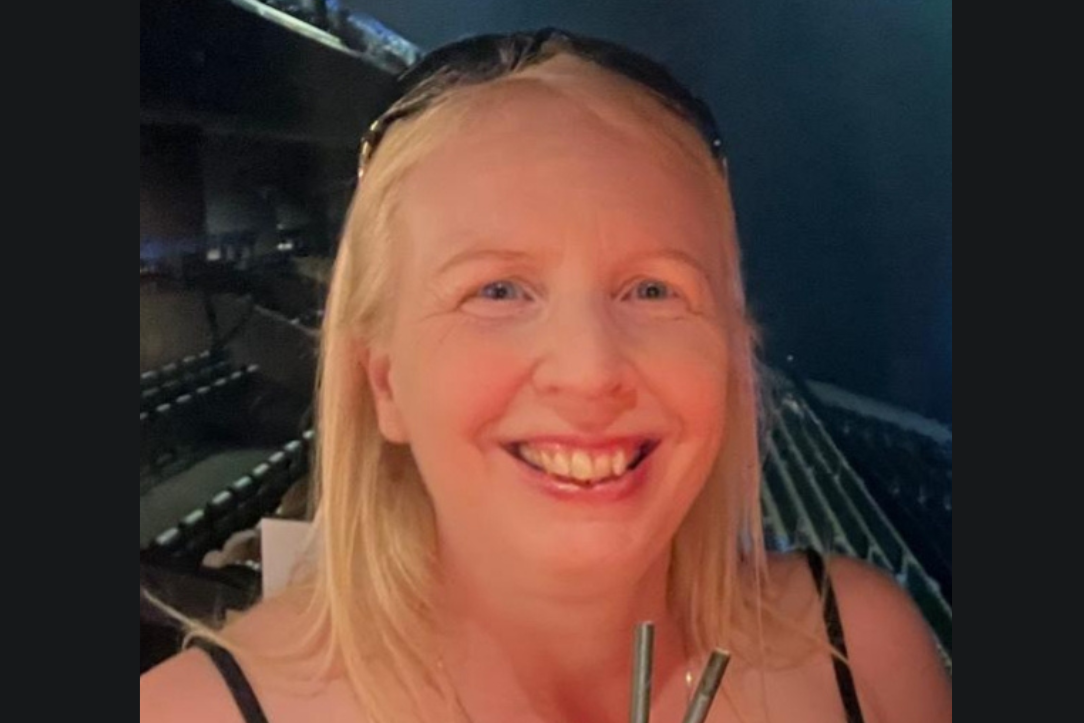
Sally was diagnosed with Breast cancer in her 30s. She said “Having received support from many agencies, I wanted to help spread awareness of the critical importance of early diagnosis and not thinking you’re too young to have cancer but to truly listen to your body and take action if you feel something is wrong”.