Every week, 225 people in West Yorkshire are diagnosed with cancer and 108 people will lose their lives each week.
Screening uptake for breast and cervical cancers is decreasing and only bowel screening is showing an increase.
Nearly one in two of us will get cancer at some time in our lives. We also know that around four in ten cancer cases in the UK each year could be prevented. * Cancer Research UK.
It’s a powerful argument for helping to raise awareness of the signs and symptoms of cancer – so people are better informed, attend screening and know where to go for help.
Our aim is to give people the information to catch cancer at an earlier stage, greatly improving the chances of survival.
Cancer Screening Programmes
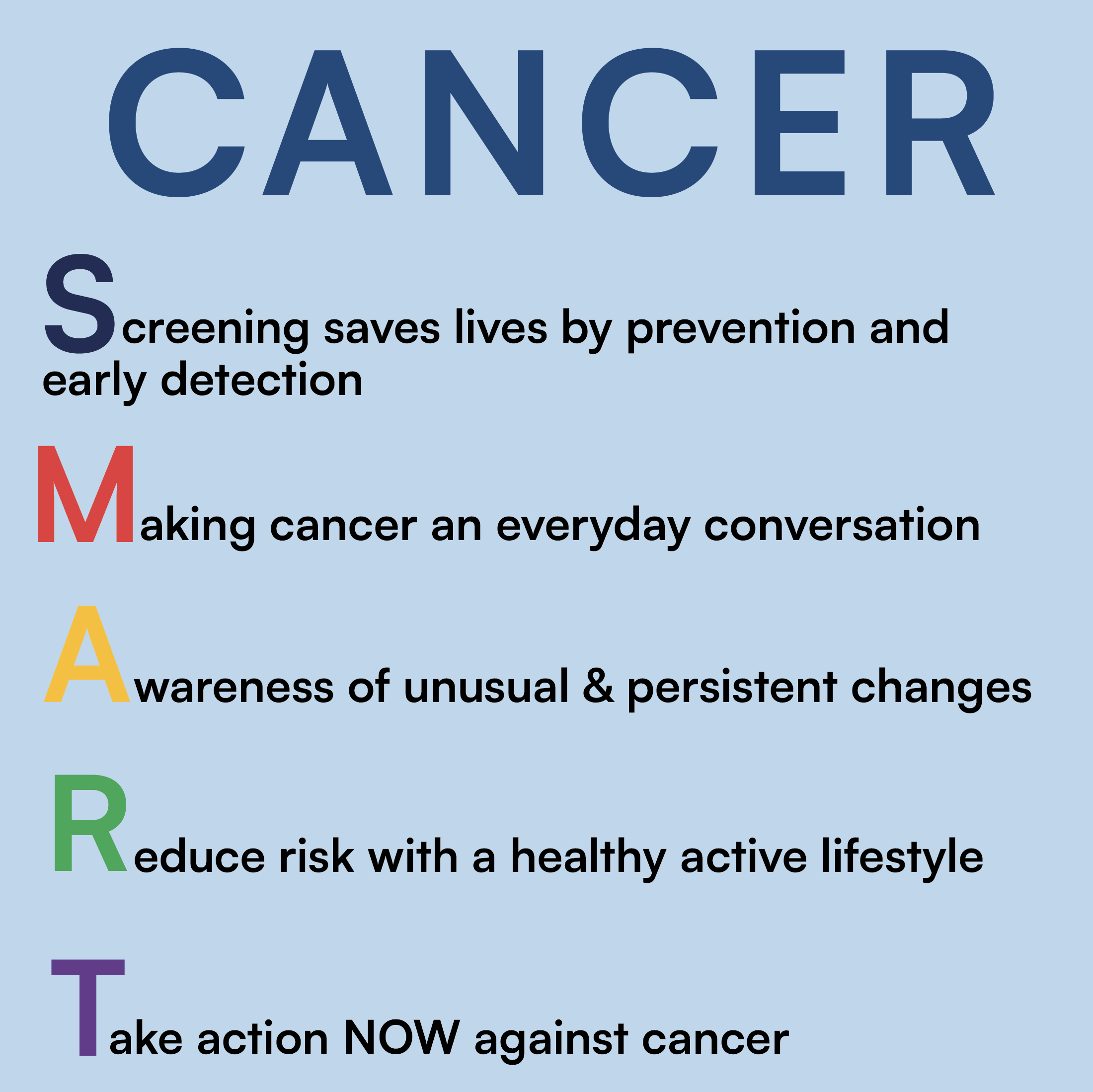
Screening saves lives by prevention and early detection
There are currently only three national cancer screening programmes, with a fourth under development. You must be registered with a GP to get an invite.
Screening can not only pick up cancer before it invades, but can also pick up cells that have started changing before they become cancer, or can identify types of tissue that are more likely to become cancer eg bowel polyps. It is estimated that the three national screening programmes save around *10,000 lives each year.
Bowel cancer screening
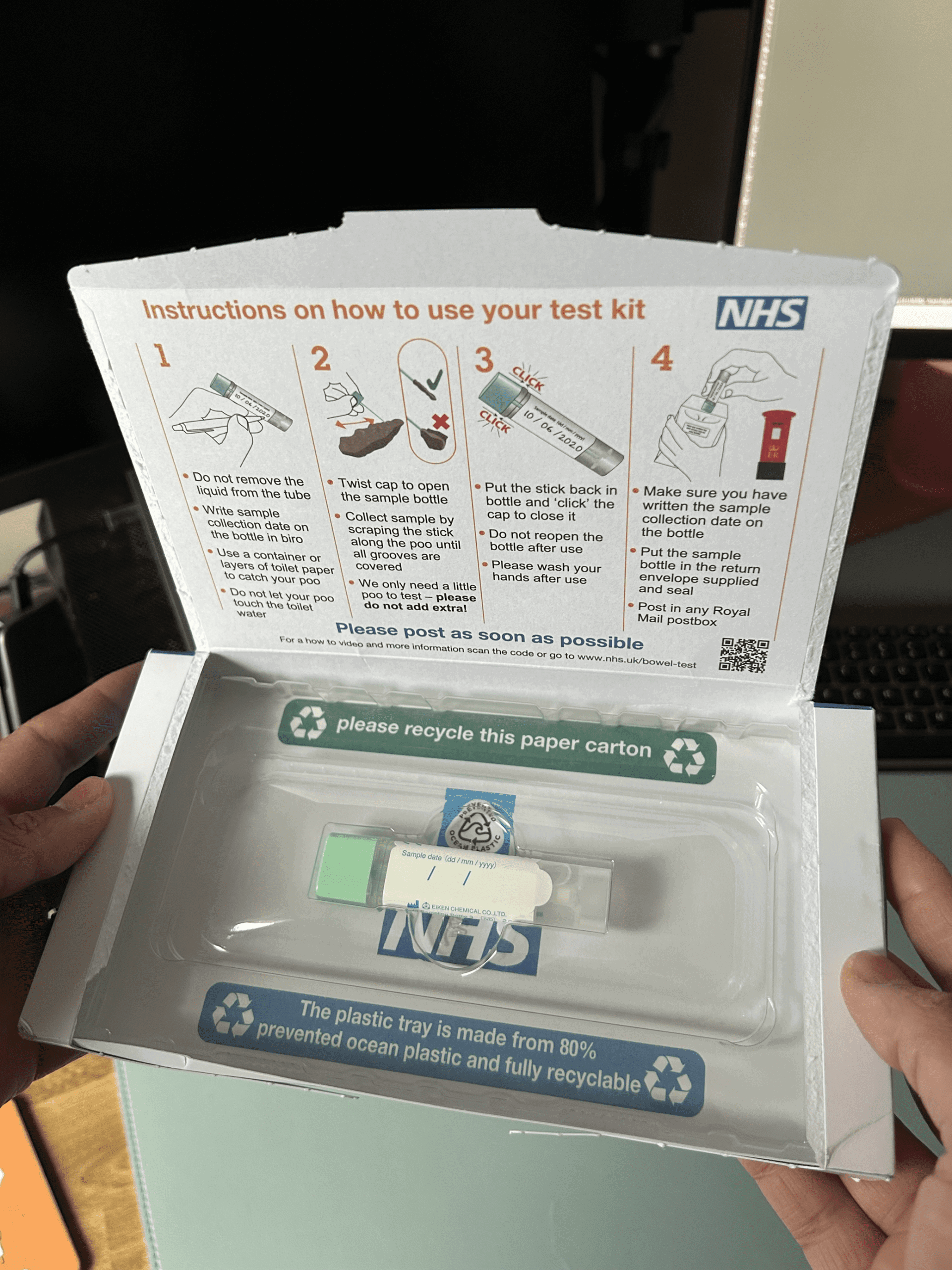
A small kit (called a FIT test) is sent by post every two years to anyone aged between 50 – 74. If you’re 75 or over, you can request a kit every two years by contacting the bowel cancer screening programme on 0800 707 6060. The FIT test is easy to do and requires one tiny sample of poo sending in the enclosed envelope. Cancer Research UK have created a short animation to show you how to do it and a handy guide on collecting your poo, which you can see below.
Breast cancer screening
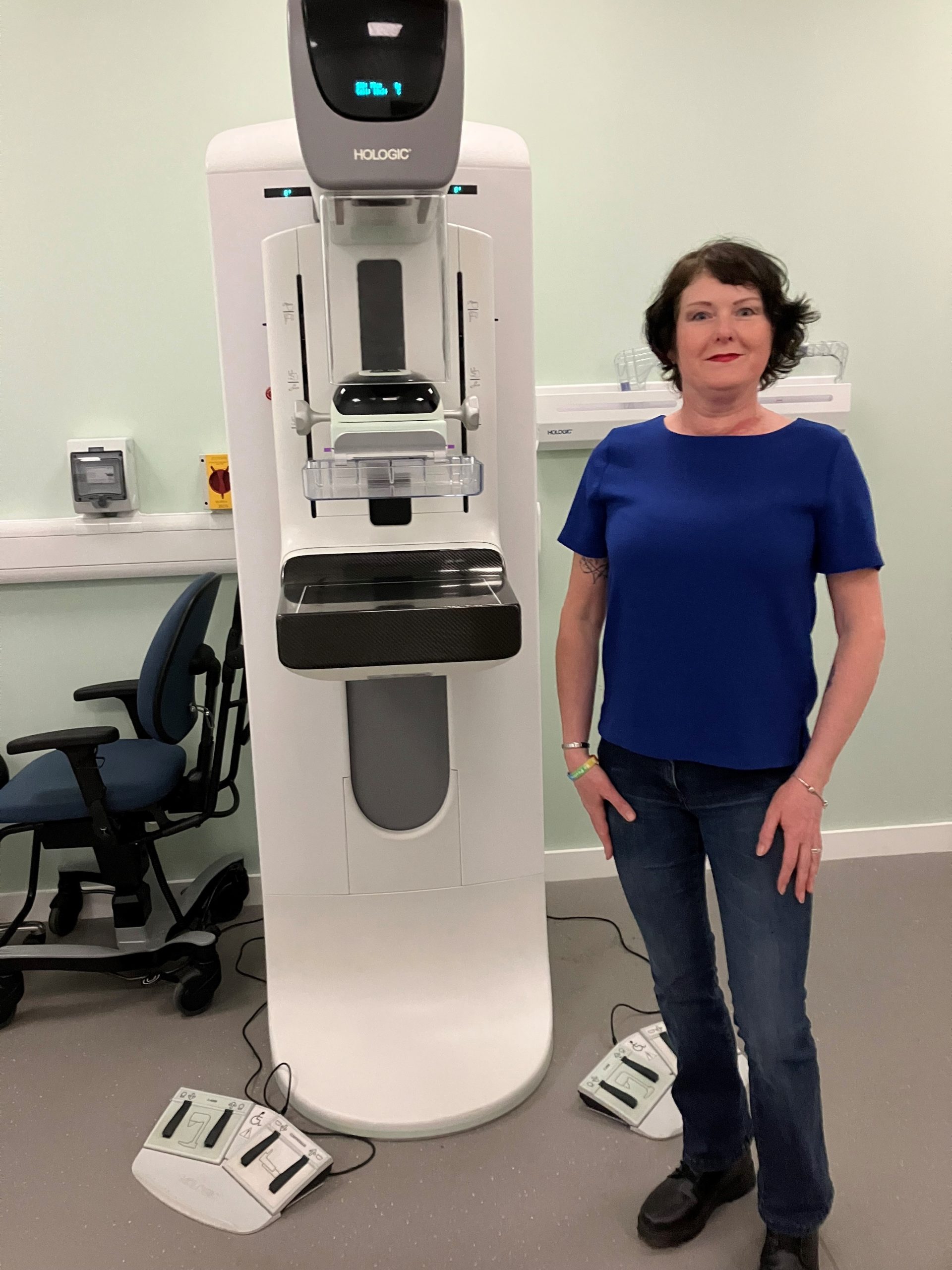
The test, called a mammogram, involves taking an x-ray of the breast. An invitation is sent out to women/anyone with breasts aged between 50 – 70 every three years. You can still request an invitation after you turn 70, by contacting your GP or local screening centre. If you’re transgender or non-binary, check with your GP or gender identity clinic if you have not received an invitation and think you should.
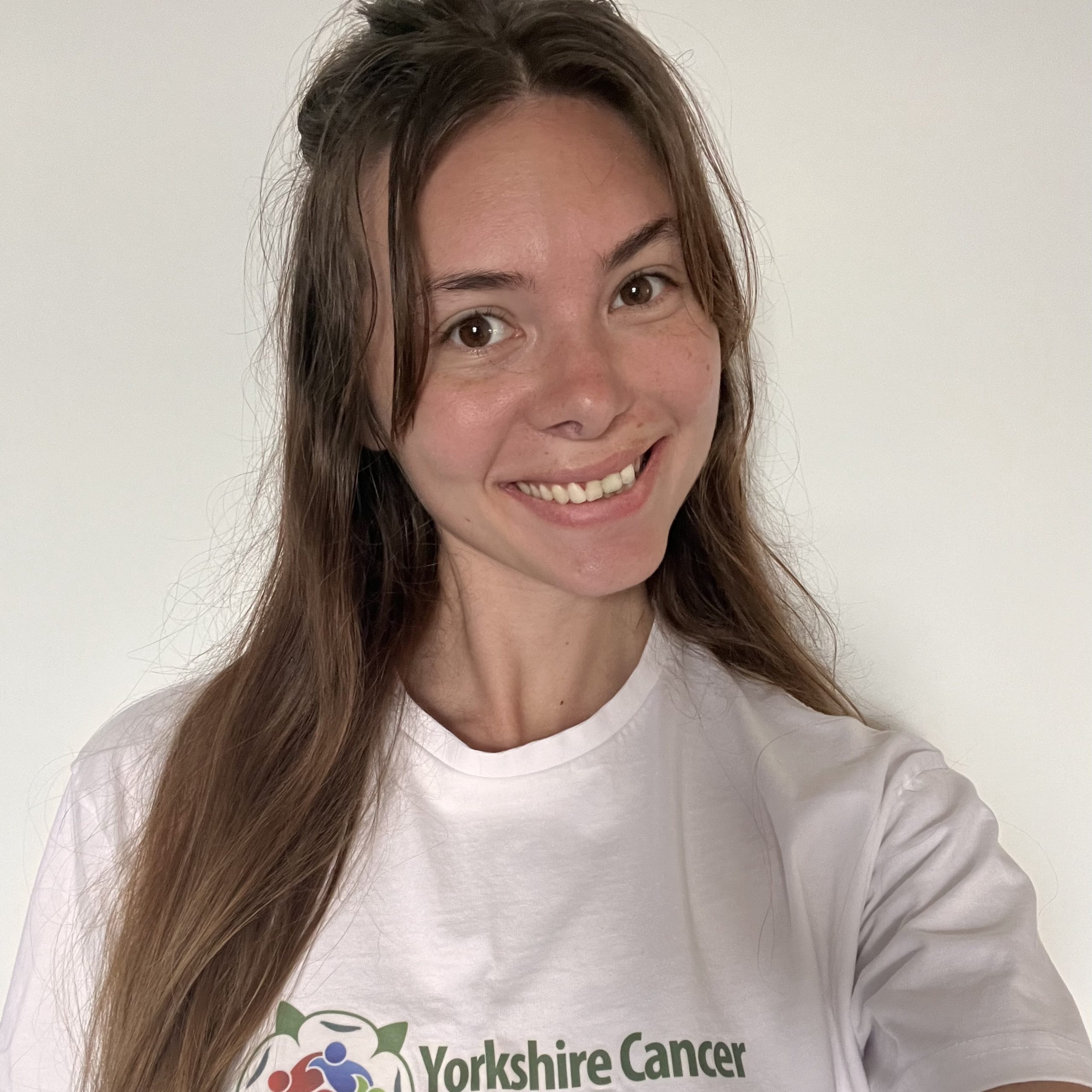
Our finance and administration officer Clare has recently been for her first mammogram. Watch the video (click the button below) where she shares her experience, and offers tips on what to look out for when checking your breasts or chest with Know Your Lemons.
Cervical cancer screening
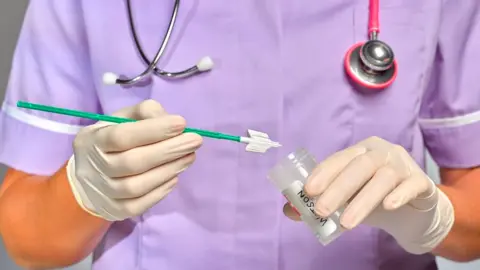
This test is for anyone with a cervix, between 25 – 64 years old. It is not available over the age of 64. Samples are taken and tested for the HPV virus. If high risk HPV is found, the lab will test the sample for cell changes. If eligible, you will be invited every five years. If you’re transgender or non-binary, check with your GP or gender identity clinic if you have not received an invitation and think you should. The West Yorkshire & Harrogate Cancer Alliance and LGBTIQ+ cancer charity OUTpatients have created a campaign to raise awareness of inclusive cervical screening called Remove the Doubt – click the button below to find out more. Cervical screening isn’t compulsory but it could save your life.
Cancer Research UK have created a short animation to help you decide. Click the button below to watch it.
Our cancer champion Emily Lunn has worked on a video called Is That It? to encourage Romanian and Polish women living in the UK to attend their cervical screening appointments. You can watch the video below.
Our Patient VIEW coordinator and cancer champion Lauren has produced a video where she shares her own experience of attending cervical screening, and what happened when she tested positive for the Human Papillomavirus (HPV). She encourages other young people to attend their cervical screening appointments when invited. You can watch her video below.
Lung cancer screening
A targeted lung cancer screening programme is currently being developed. In our area two Lung Cancer Screening projects are currently live – North Kirklees and Bradford District and Craven. Programme expansion will be progressed up to 2027 within Calderdale and Kirklees, Wakefield, Harrogate, and Leeds. It is expected to be available throughout the UK by 2029.
Lung cancer screening will be offered to smokers and ex-smokers between the ages of 55 and 74 who are registered with a GP in the UK. If you are eligible, you will receive a letter from your GP inviting you to make an appointment.
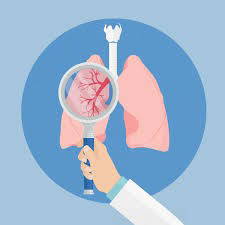
Lung cancer causes more deaths than any other cancer in the UK. There are often no signs or symptoms of lung cancer at an early stage. Lung cancer screening aims to find lung cancer early, sometimes before you have symptoms.
The lung health check looks at how well your lungs are working and can help diagnose lung cancer as early as possible. Early diagnosis can make lung cancer more treatable and make treatment more successful.
Find out what is happening local to you by clicking the relevant button below.
Screening programmes save 10,000 lives per year in the UK
Screening helps catch cancer early, when it is easier to treat
Screening can detect cancers that would otherwise be missed
Screening can PREVENT cancer by detecting changes before they develop into cancer
We know that the “C” word can cause people to feel anxious, especially if you already have an anxiety disorder, or if you have a learning disability, but help is available to help you cope
We know that early detection saves lives, and that one of the best ways of ensuring an early diagnosis of cancer is by attending screening.
Not only does screening help to discover cancer whilst it’s undetectable to you, but in some cases can help prevent cancer before it has had a chance to develop. That’s why it’s so important to ensure everyone feels able to attend screening when invited to do so, and doesn’t miss the opportunity.
Here’s a couple of videos to help you if you are feeling anxious about screening.
Find out how to reduce your risk of cancer
How to reduce your risk of cancer
Around 4 in 10 cancers could be prevented. Find out how you can reduce your risk of cancer with some simple lifestyle changes.
Know Your Normal
You know your own body better than anyone else, so if you discover changes that are unusual and persistent, go to see your GP straight away. Don’t delay or wait for a more convenient time – your health is important.
Let's Talk Cancer
Cancer is nothing to be ashamed of, and talking about cancer openly helps dispel myths or taboos and in turn gives people knowledge and confidence to seek help quickly if something isn’t right.